Business
Common Mistakes to Avoid When Switching Energy Supplier in Winter
Energy gets everyone's attention in winter. Bills rise with the heating, the January statement lands with a thud, and switching supplier starts to look like the obvious fix. It often is — but only when it is done at the right moment and with your eyes open.
Winter is also the worst season to rush a switch. The industry is at its busiest, meter readings matter more than ever, and a small administrative slip can leave you paying two suppliers or stuck on a tariff you never intended to choose. Here are the mistakes that catch people out most often, and how to sidestep them.
Mistake 1: Panicking and Switching Mid-Cold Snap
The first error is emotional rather than technical. A grim December bill arrives, and the reaction is to switch supplier by teatime. But a switch is a process, not a click. It usually takes a few weeks to complete, and your current supplier keeps supplying you — and charging you — until the transfer goes through.
The real problem is what else is happening in that window. If your boiler fails, if a meter reader needs access, or if a billing dispute is open, a switch in progress makes everything messier. A calmer approach is to spend a week gathering information, then act. That week costs you very little; a botched switch in the middle of a cold spell costs you a lot more.
Mistake 2: Judging a Tariff by Its Headline Unit Rate
A tariff advertised as the cheapest in the country can still cost you more than the one you are on. The unit rate is only half the story. Look at all of the following before you commit:
- Standing charge — a daily fee you pay whether you use any energy or not. A tariff 20p a day more expensive on standing charge adds roughly £73 a year before you have boiled a single kettle.
- Payment method — monthly direct debit is almost always cheaper than paying on receipt of bill, sometimes by a noticeable margin.
- Paperless discount — often worth a few pounds a year, but you have to actually claim it.
- Dual fuel discount — taking both gas and electricity from one supplier is usually cheaper, but not always. Run the numbers separately before assuming.
A useful habit is to compare the estimated annual cost for your own usage, not the unit rate. Every comparison site shows it, and it is the only figure that really matters.
Mistake 3: Forgetting Exit Fees and Contract End Dates
If you are inside a fixed-term contract, leaving early usually triggers an exit fee — commonly somewhere between £25 and £30 per fuel. Switch a dual fuel tariff mid-contract and that is £50 to £60 gone before you have saved a penny. On a small annual saving, that can wipe out the entire benefit.
Check two things before you switch: the date your current fix ends, and whether your supplier allows a free switch in the final weeks of the contract. Many do. If your fix ends in six weeks, waiting is almost always the smarter move.
The cheapest tariff on the market is worthless if you pay £60 to get to it and save £40 over the year.
Mistake 4: Guessing Your Usage Instead of Using Your Own Numbers
Comparison sites offer "low, medium and high" usage defaults because most people do not know their own figures. Those defaults are a trap. A three-bedroom house heated by gas and a similar-sized house heated by electricity can have wildly different consumption, and picking the wrong band can make an expensive tariff look cheap.
Your annual usage in kWh is printed on your bill, and it is also available in your online account. If you have a smart meter, you can pull the last twelve months of half-hourly data. Spend ten minutes finding those numbers. It is the single most useful thing you can do for your energy bill.
Mistake 5: Assuming Every Supplier Can Serve Your Meter
Not all tariffs are available to all homes. Before you fall in love with a deal, check that it works with your setup:
- Smart meters — older first-generation models may lose some functionality with a new supplier, including automatic readings.
- Economy 7 or other off-peak tariffs — need a supplier that supports time-of-use billing.
- Prepayment meters — often excluded from the very cheapest deals.
- Rural or off-grid properties — oil, LPG and district heating schemes have their own rules entirely.
Mistake 6: Leaving the Loose Ends Untied
This is where most switches quietly go wrong. On the day the switch completes, do all of the following:
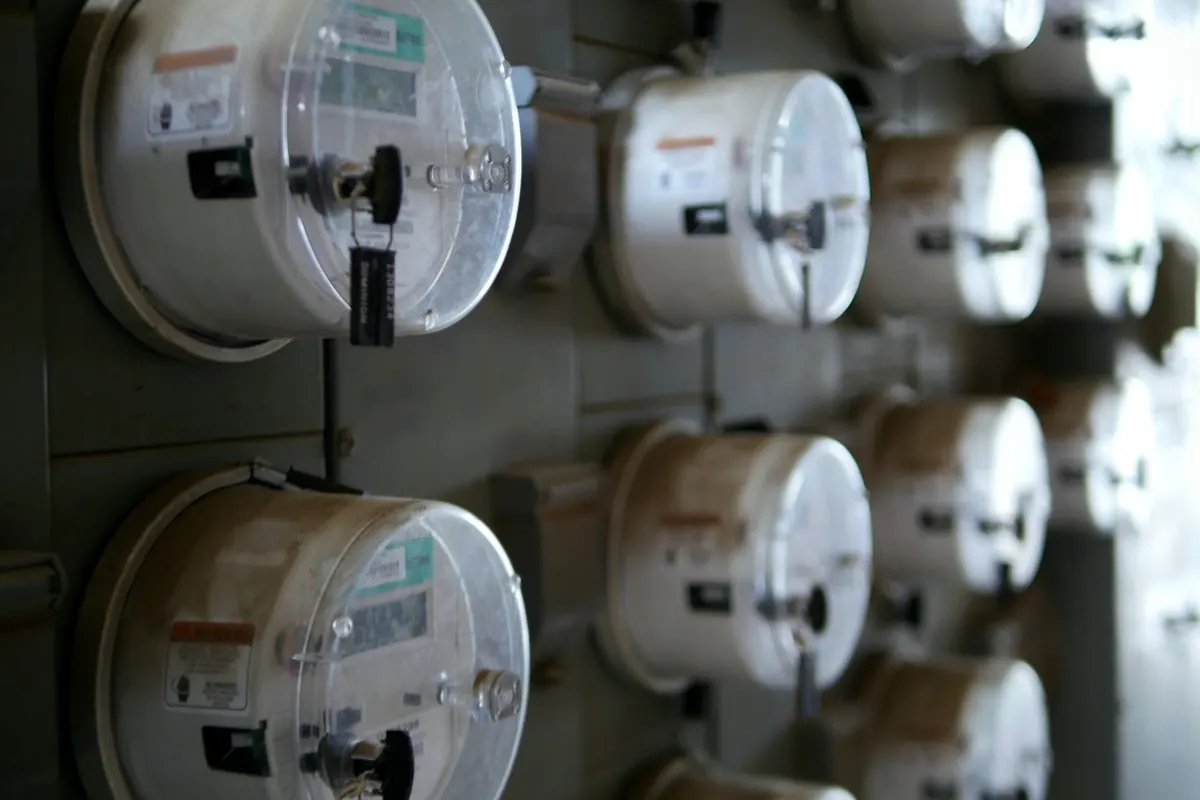
- Take a photograph of both meters, with the date visible.
- Submit final readings to your old supplier if they have not been taken automatically.
- Wait for the final bill before cancelling the direct debit — a cancelled mandate causes far more admin than it saves.
- Check the final bill against your photograph. Errors are common and easy to dispute if you have evidence.
- Chase any credit balance. Suppliers are required to refund it, but they rarely do so unprompted.
Mistake 7: Choosing on Price Alone
Winter is precisely when you need a supplier to answer the phone. Faulty meters, billing errors, power cuts and emergency credit requests all cluster in the coldest months. A tariff that saves £30 a year but leaves you on hold for forty minutes every time something goes wrong is not a bargain.
Before switching, spend five minutes reading recent customer service reviews and complaints data. Look for how quickly suppliers resolve problems, not just how many stars they have.
An Extra Section: When It Is Better to Wait
Switching is not always the answer, and there are situations where waiting is genuinely the wiser choice:
- You owe your current supplier money. Most will block a switch until the debt is cleared or a repayment plan is agreed — and that plan is often easier to negotiate than people expect.
- Your contract ends very soon. Waiting a few weeks can save you the exit fee and give you access to renewal offers.
- A widely reported price change is weeks away. If a significant shift is expected, it can be worth seeing what lands before locking in.
- You are in the middle of a dispute. Resolve it first. Switching mid-argument hands your case to strangers.
An Extra Section: Tell Your New Supplier What You Need
One overlooked step is the Priority Services Register. If anyone in your household is elderly, disabled, chronically ill, or dependent on powered medical equipment, you can register for extra support: advance warning of planned outages, priority restoration after a power cut, and alternative heating arrangements in an emergency. It is free, and you can register with both your old and new supplier during the switch so there is no gap in cover.
While you are at it, confirm your contact details, your preferred communication method, and whether you want to keep your existing meter reading schedule. Small administrative details like these are what make a switch feel seamless rather than stressful.
The Bottom Line
Switching supplier in winter is not reckless, but it is not a five-minute job either. Use your own usage figures, read past the headline rate, respect exit fees and contract dates, and finish the paperwork properly. Do that, and you will spend the coldest months of the year warmer in the knowledge that you are not overpaying — which is, after all, the whole point.
Photo: jillrose999 / Pixabay