iGaming
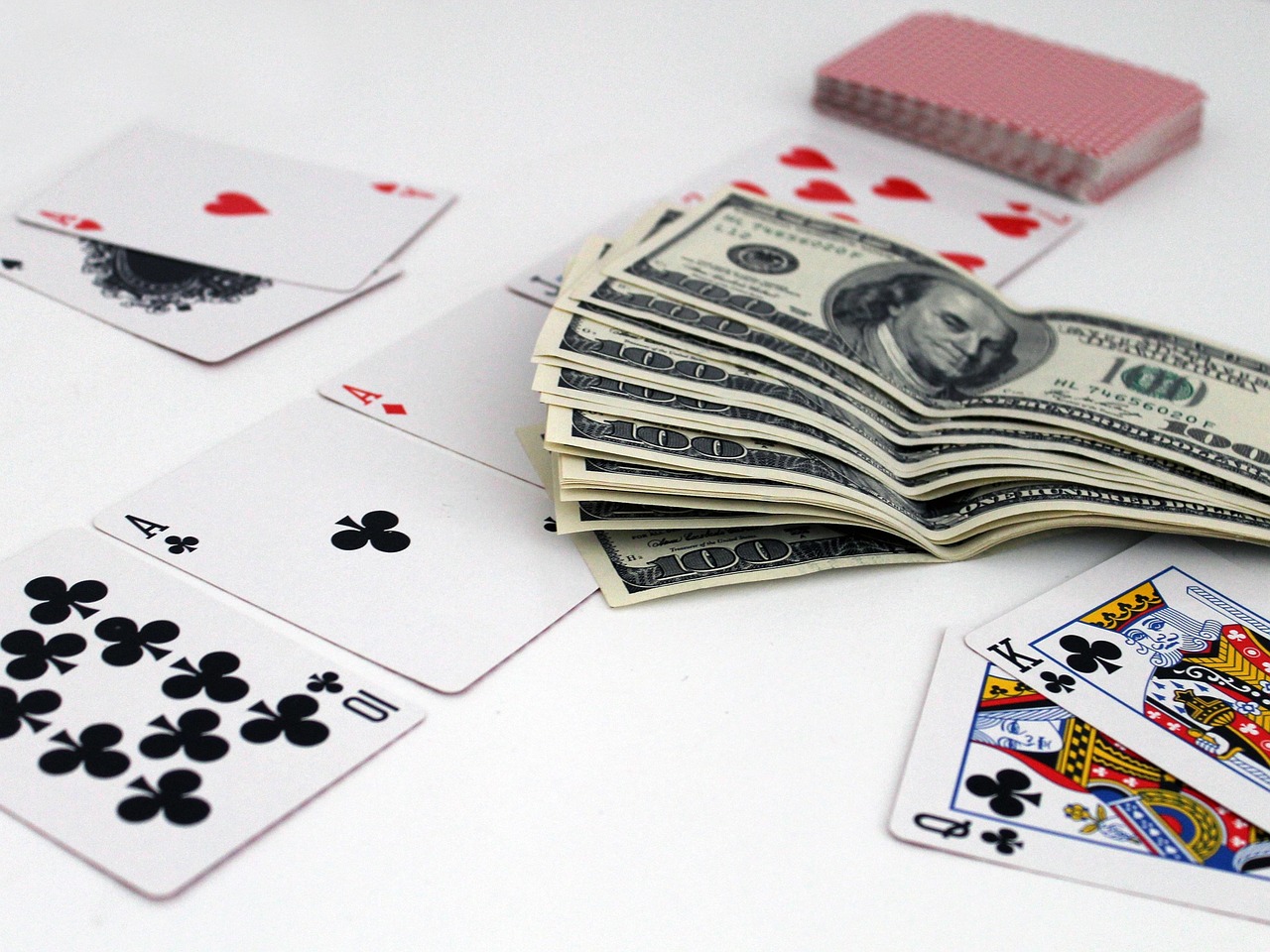
The Real Math Behind iGaming: What Casino, Betting, and Slots Players Get Wrong
My first night playing online poker, I lost $80 in twenty minutes. Not because I was unlucky — because I was an idiot. I kept calling raises with junk hands, chasing straights that never came, and blaming the algorithm when my aces got cracked. That experience taught me something most iGaming content won't tell you: the house doesn't beat you. You beat yourself. The casino, the sportsbook, the slot machine — they just sit there, patiently collecting your mistakes.
If you're going to put real money on the line, whether in a casino, a poker room, or a Premier League betting market, you need to understand how these games actually work. Not the marketing version. The math version. Let's talk about it honestly.
Casino Games Are Not Created Equal
Walk into any online casino lobby and you'll scroll past hundreds of games. They all look different — dragons, fruit, pirates, megaways — but they split into two families: those where the house edge is fixed and visible, and those where it's hidden behind glitter.
Blackjack played with basic strategy, for instance, gives the house about a 0.5% edge. That's almost fair. Baccarat on the banker bet? Around 1.06%. Those are games where a disciplined player can survive a long time.Now compare that to American roulette. Two green zeros, 5.26% house edge. You cannot outplay that. You cannot count cards into a profit on two-zero wheels. The math is a wall. The only decision you get is how fast you hit it. See slot deposit dana for a side-by-side comparison.
Slots are a different animal entirely. And they're where most casual players get demolished.
Slots: The Most Misunderstood Game in iGaming
People talk about slots like they have moods. "This machine is hot." "It's due for a big win." "I've been losing, so it's about to pay." This is nonsense. Slot outcomes are independent events driven by a random number generator. Every spin is a fresh mathematical draw.
What actually matters is the RTP — return to player percentage. A slot with 96% RTP keeps $4 out of every $100 wagered, over millions of spins. A slot with 92% RTP keeps $8. That difference sounds small. It isn't.
- £1,000 wagered on a 96% RTP slot: expected loss £40
- £1,000 wagered on a 92% RTP slot: expected loss £80
- That's double the bleed for the same entertainment
Volatility matters too. High-volatility slots pay rarely but hugely. Low-volatility slots pay often but small. Your session length and bankroll size should match the volatility, not fight it.
My rule: if I'm playing slots for fun, I pick RTP above 96% and treat my deposit as already spent. That's the only honest mindset.
Sports Betting: Where Knowledge Beats Luck
Betting is the one vertical where a sharp player can genuinely win long-term. Not easily. But it's possible, because bookmakers set lines based on public opinion, not pure probability.Take a mid-table Premier League match. The public loves backing big clubs. Bookies know this and shade the odds on Manchester United or Chelsea ever so slightly. If you consistently bet on the value side — the unfashionable team, the underdog with better underlying stats — you can find an edge.
But here's the catch: margins. A typical sportsbook margin on a two-way market is 4–6%. That means you need to be right more than half the time just to break even. Most recreational bettors are not. They bet with their hearts, chase losses, and parlay everything for a lottery ticket.
The bettors who last do three things:
- They track every bet in a spreadsheet, no exceptions.
- They stick to one or two leagues where they have deep knowledge.
- They never bet more than 1–2% of their bankroll on a single outcome.
It's boring. It works. And it's the opposite of what the betting apps advertise.
Poker: The Only Game With a Beatable Edge
Poker is not gambling in the casino sense. It's a skill game wrapped in gambling clothing. The house takes a rake — usually 5% up to $3 per pot at micro-stakes — but your profit comes from other players, not the casino.
That means the quality of your opponents determines your win rate. A solid player at a table full of drunks is printing money. The same player at a table of pros is the fish.
Three concepts separate winning poker players from losing ones:
- Position: Acting last gives you information. It's worth more than good cards.
- Bankroll management: Never buy into a cash game with less than 20 buy-ins for your limit. Never play tournaments above 2% of your roll.
- Emotional control: Tilt destroys more bankrolls than bad beats. If you feel angry, log off.
I've seen players with elite hand-reading skills go broke because they couldn't fold aces when the board clearly said they were beat. The mental game is the edge.
The One Number That Changes Everything
If you take nothing else from this article, take this: expected value. Every bet, every spin, every call has an expected value. Positive EV means you make money over time. Negative EV means you lose.
Casino games are all negative EV. Slots are deeply negative EV. Sports betting can be positive EV if you're sharp. Poker can be positive EV if you're better than your table.
That's the entire map. Once you see it, you can't unsee it. You stop believing in hot streaks and start thinking in probabilities and ranges.
A Final Word
iGaming is entertainment, not a retirement plan. The operators spend millions on psychology and design to keep you spinning, clicking, and betting. That's their job. Your job is to know the math, set a hard limit, and walk away when you hit it.Play for fun. Play within your means. And if you ever find yourself secretly hoping to "make it back," stop. That's the house talking. Not you.